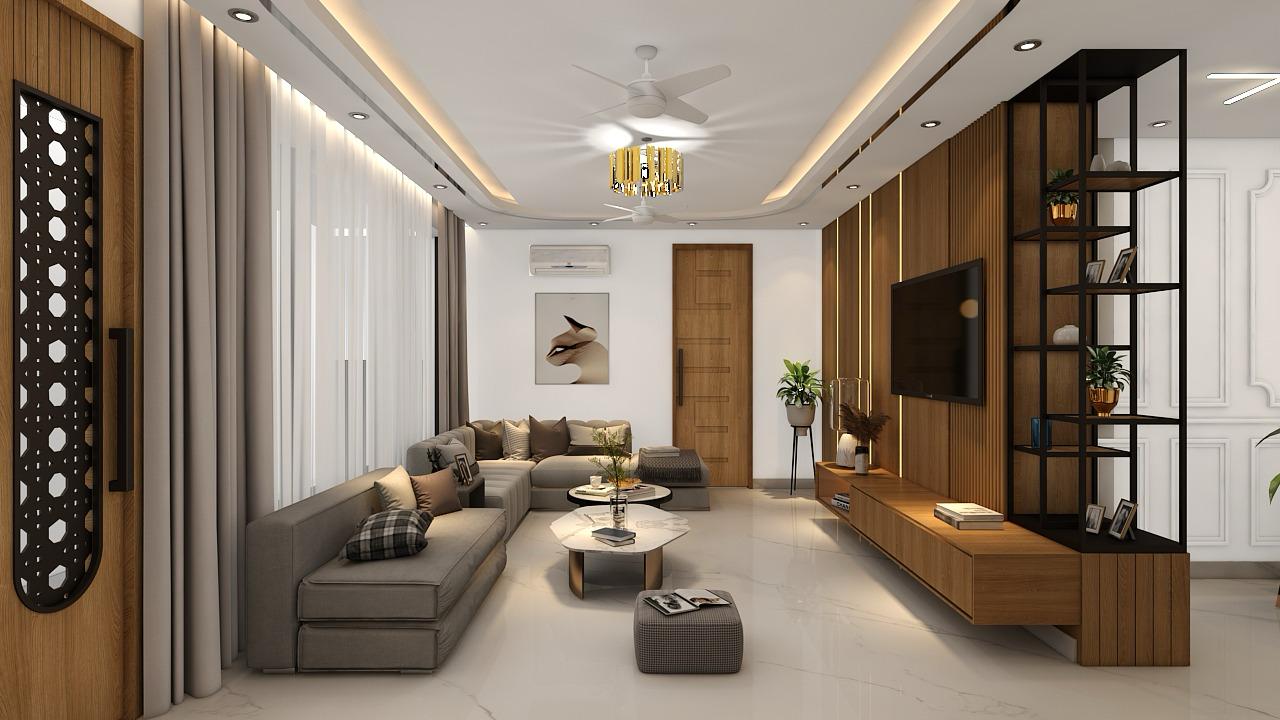
Hiring an interior designer is an important decision, especially when you are investing in a new home or renovating an existing property. A successful interior project depends not only on the designer's creativity but also on how clearly the homeowner defines the requirements, budget, timeline, lifestyle, and functional needs before the design process begins. If you are searching for an interior designer near me, preparing these details in advance can make the entire project more organized and cost-effective.
1. Define Your Lifestyle and Functional Requirements
Before you hire interior designer for home, identify how each room will be used. Consider the number of family members, daily routines, work-from-home requirements, storage needs, entertainment preferences, children's spaces, guest accommodation, and future requirements. These details help the designer create an interior that is practical rather than simply attractive.
For homeowners exploring home interior design services in Gurgaon, a clear requirement brief is particularly useful because residential layouts vary significantly in size and configuration. A two-bedroom apartment may require space-saving solutions, while a larger independent home may need dedicated areas for study, entertainment, utility, and storage.
2. Establish a Realistic Interior Budget
Budget should be discussed before design development begins. Instead of deciding on a total amount without understanding the scope, divide the budget between furniture, modular work, flooring, ceilings, lighting, electrical upgrades, soft furnishings, appliances, décor, and professional fees.
If you are researching interior design cost for 2BHK, remember that the final amount depends on the size of the property, material specifications, customization, hardware quality, and scope of work. A transparent budget allows your designer to recommend solutions that match your financial priorities.
3. Decide the Design Style You Prefer
You do not need to have a complete design in mind, but it helps to identify your preferred aesthetic. You may prefer contemporary, minimalist, modern, traditional, industrial, or luxury interiors.
Someone looking for a luxury interior design company may prioritize premium materials, customized furniture, sophisticated lighting, and detailed finishes. Another homeowner may prefer a simple design focused on durability, easy maintenance, and efficient storage. Defining the desired style early prevents unnecessary revisions.
4. Finalize the Property Layout and Measurements
Accurate measurements are essential before any interior design work begins. The designer needs information about room dimensions, ceiling heights, doors, windows, columns, beams, plumbing points, electrical points, and other fixed elements.
This is especially important for interior design for flat projects, where structural elements and service shafts can limit customization. Accurate site measurements help avoid problems such as incorrectly sized wardrobes, kitchen cabinets, beds, or false-ceiling elements.
5. Identify Your Storage Requirements
Storage is one of the most important elements of residential interiors. Before selecting an affordable interior designer, prepare a rough list of everything that needs to be stored, including clothing, shoes, books, kitchen appliances, crockery, luggage, cleaning supplies, and household equipment.
The designer can then determine whether you need full-height wardrobes, loft storage, modular cabinets, utility storage, display units, or customized furniture. Planning storage early is more effective than trying to accommodate it after the main furniture layout has been finalized.
6. Plan the Kitchen According to Your Lifestyle
The kitchen should be planned around cooking habits, appliances, storage, and movement. Consider the refrigerator, chimney, hob, oven, microwave, dishwasher, water purifier, sink, and small appliances before finalizing the cabinetry.
If you are searching for a modular kitchen designer near me, provide the designer with your appliance list and preferred storage requirements. This allows electrical and plumbing points to be coordinated with the final kitchen design rather than modified after installation.
7. Discuss Electrical and Lighting Requirements
Modern interiors require more electrical points than simply switches for lights and fans. Televisions, routers, workstations, charging points, kitchen appliances, washing machines, entertainment systems, decorative lighting, and smart-home equipment all require appropriate provisions.
When selecting home interior design services in Gurgaon, discuss lighting preferences at the beginning. Cove lighting, spotlights, pendant lights, wall lights, profile lighting, and task lighting may require different electrical arrangements and ceiling provisions.
8. Consider Your Flooring, Walls and Ceiling Preferences
Flooring, wall treatments, and ceiling design contribute significantly to the appearance and cost of an interior. Decide whether you prefer paint, wallpaper, textured finishes, wood panels, tiles, marble, wooden flooring, or other materials.
An experienced best interior designer in Gurgaon can explain how different materials affect durability, maintenance, installation, and overall cost. Making these decisions before procurement also helps maintain consistency throughout the home.
9. Understand the Scope of Services
Not every interior designer provides the same scope of work. Before appointing a professional, clarify whether the service includes concept design, 2D drawings, 3D visualization, furniture design, electrical drawings, material selection, vendor coordination, execution supervision, installation, and post-completion support.
For homeowners considering turnkey interior design, it is especially important to understand what is included in the package. A clearly defined scope reduces confusion about responsibilities and prevents unexpected additions to the project cost.
10. Decide Whether You Need Renovation or New Interiors
If you are renovating an existing property, first determine what can be retained and what needs replacement. Existing flooring, doors, electrical systems, plumbing, wardrobes, kitchen units, and sanitary fittings may influence the new design.
People looking for home interior renovation services should ideally get the existing property assessed before approving a design. Reusing suitable elements can reduce costs, while outdated or damaged components may need to be replaced before new interiors are installed.
11. Think About Future Requirements
A good interior should remain useful as your lifestyle changes. Consider future children, elderly family members, work-from-home needs, additional appliances, increased storage, or changing furniture requirements.
When you hire interior designer for home, communicate these possibilities instead of designing only for your current situation. Flexible furniture layouts, accessible storage, adaptable rooms, and additional electrical provisions can make the home more future-ready.
12. Establish Your Preferred Material Quality
Material selection can significantly influence the durability and maintenance requirements of an interior. For modular furniture, discuss board types, laminates, acrylics, veneers, hardware, hinges, channels, handles, and internal accessories.
A professional affordable interior designer should be able to provide options at different quality and price levels rather than simply recommending the most expensive specification. The objective should be to achieve the right balance between appearance, performance, and budget.
13. Clarify the Project Timeline
Interior projects involve several stages, including design development, approvals, material procurement, manufacturing, civil work, installation, finishing, and final corrections. Ask for an approximate timeline before starting.
Whether you are planning interior design for flat or a larger independent residence, the schedule should also account for material availability and site readiness. A realistic timeline is more useful than an overly optimistic completion promise.
14. Check How the Designer Coordinates With Other Professionals
Interior work often overlaps with architecture, structural design, electrical services, plumbing, HVAC, and construction. Poor coordination between these teams can result in rework and additional expenses.
If you are also working with a contractor or restaurant interior design company for a commercial project, establish clear communication between all parties. For residential projects, coordinated drawings and regular site reviews can help ensure that design decisions are correctly implemented.
15. Ask About Design Revisions and Approvals
Before appointing a designer, understand how many design revisions are included and at which stages your approval is required. Changes after manufacturing or installation can increase both costs and project duration.
A professional interior design consultation free session can be useful for discussing your initial requirements, but homeowners should also understand the terms of the complete paid design and execution service before proceeding.
16. Compare Professionals on More Than Price
Searching for an interior designer near me can produce many options, but price should not be the only selection criterion. Review previous projects, design approach, material quality, communication process, execution capabilities, and client feedback.
The best interior designer in Gurgaon for one homeowner may not be the right choice for another. Your selection should depend on whether the professional understands your property, lifestyle, budget, preferred style, and expectations.
17. Prepare a Clear Requirement Brief
Before the first detailed meeting, prepare a simple brief containing your property size, floor plan, number of rooms, family requirements, preferred style, storage needs, budget range, expected timeline, and any specific materials or furniture you want.
This makes discussions with an interior design consultation free service more productive and gives the designer enough information to understand the project's actual scope.
Final Thoughts
Hiring an interior designer becomes much easier when the major decisions are made before detailed design work begins. Your lifestyle, budget, floor plan, storage requirements, kitchen needs, electrical provisions, materials, design style, timeline, and scope of services should all be discussed clearly.
Whether you are planning a new home, home interior renovation services, or complete turnkey interior design, early coordination can reduce revisions, control costs, and improve the final result. The right professional should not simply make your home look attractive but should create spaces that are functional, durable, comfortable, and aligned with the way you actually live.
📍 Serving: Ghaziabad | Noida | Greater Noida | East Delhi | West Delhi | North Delhi | South Delhi | Faridabad | Gurugram | Noida Extension | Ballabhgarh | Manesar | Jewar | Jind | Rohtak | Bahadurgarh | Mathura | Agra | Jhunjhunu | Moradabad | Sonipat | Kangra | Dehradun | Gurgaon
#Architects in delhi ncr #architectural design #architects near me #architecture firm # commercial architecture #modern architecture #architect and construction services #Residential Architect #architects in delhi #Top Architects in delhi #ArchitectureConsultancyInNoida #ArchitectureConsultancyInDelhiNCR #CommercialArchitecture #ArchitectFirmsNearMe #CommercialBuildingDesign #FacadeDesignNoida #VastuCommercialDesign #ArchitectsHive #NoidaCommercialArchitecture #ModernCommercialDesign #HouseDesign #HomeDesign #InteriorDesign #ModernHouseDesign #BestArchitectsInGreaterNoida #ArchitectsInDelhiNCR #HomeConstruction #ResidentialArchitecture #LuxuryHomeDesign #ContemporaryHouseDesign
Gallery